Six features that make your machine autonomous
Our Farming Autonomy Operating System (FAOS) turns conventional machinery into agricultural robots. Each of its features takes over part of a driver’s job: knowing where the machine is, planning the field and every turn, staying on the row, seeing what is in the way, and keeping a person in the loop.
Further down: Tested on our own field robot Where the FAOS comes from
-
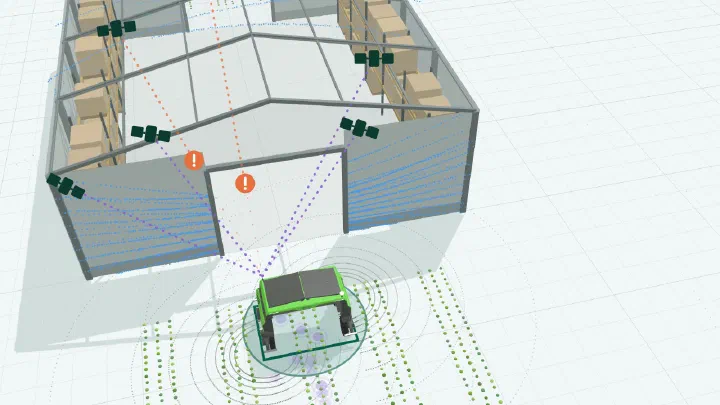
Hybrid Localization
Your machine always knows where it is. Hybrid localization fuses LiDAR and IMUs with GNSS and RTK when they are available, and keeps working wherever the signal gets too poor to use.
-
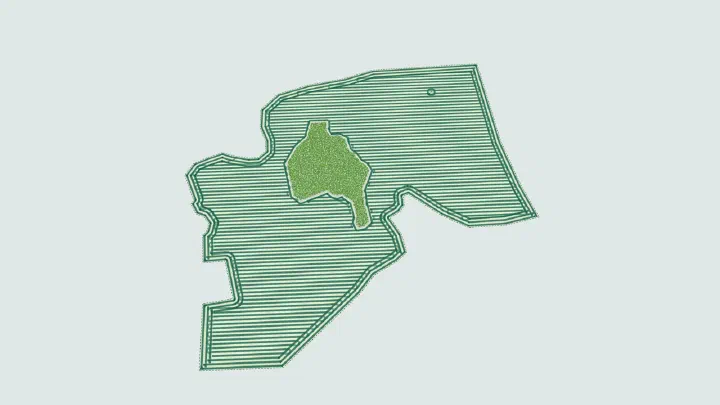
Field Coverage & Row Planning
Map your field once and the FAOS plans how to cover it row by row, leaving out the areas and obstacles you mark.
-
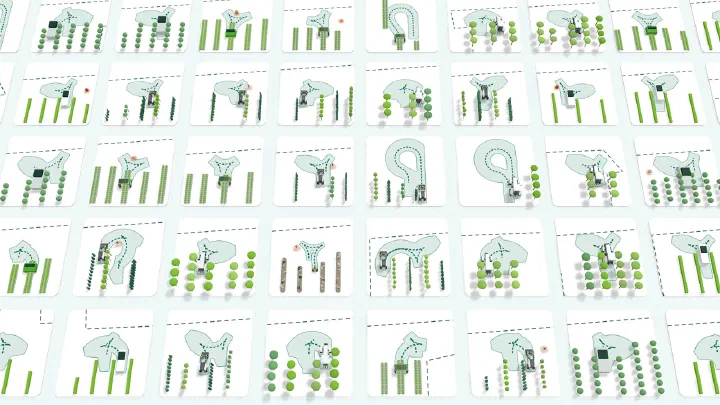
Smart Turn Planning
At the end of each row the FAOS plans a turn that fits your machine and the headland, from a wide U-turn to a multi-point turn where space is tight.
-
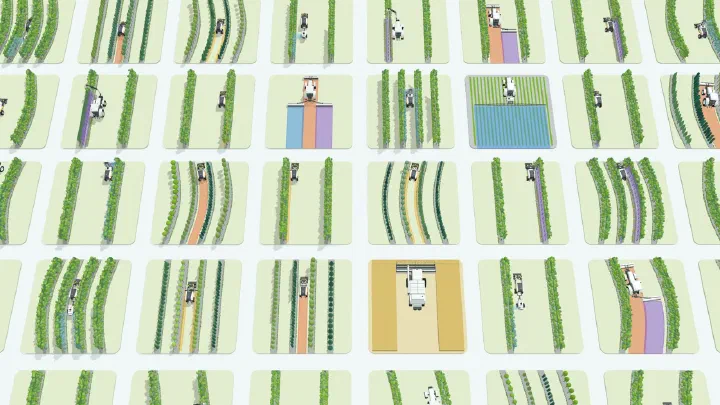
Row Following & Motion Control
The FAOS keeps your machine precisely on its line along every row and steers it smoothly at the speed the job needs.
-
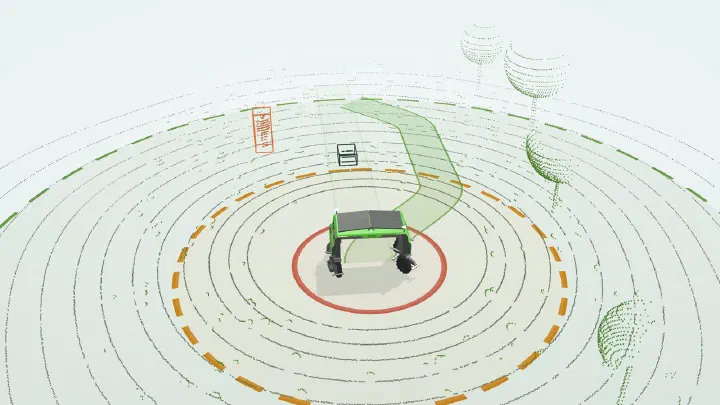
Environment Perception & Obstacle Avoidance
3D sensors watch the path ahead. When a person, animal or object is in the way, your machine slows down, stops or drives around it.
-
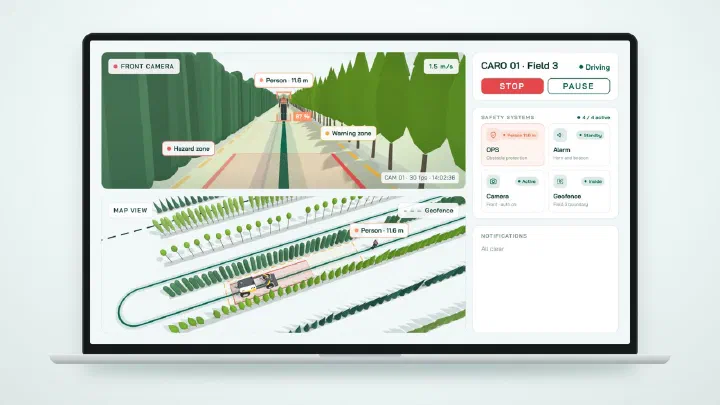
Remote Human Oversight
An operator can follow the machine live from anywhere and step in when needed, the way the EU AI Act asks for human oversight.
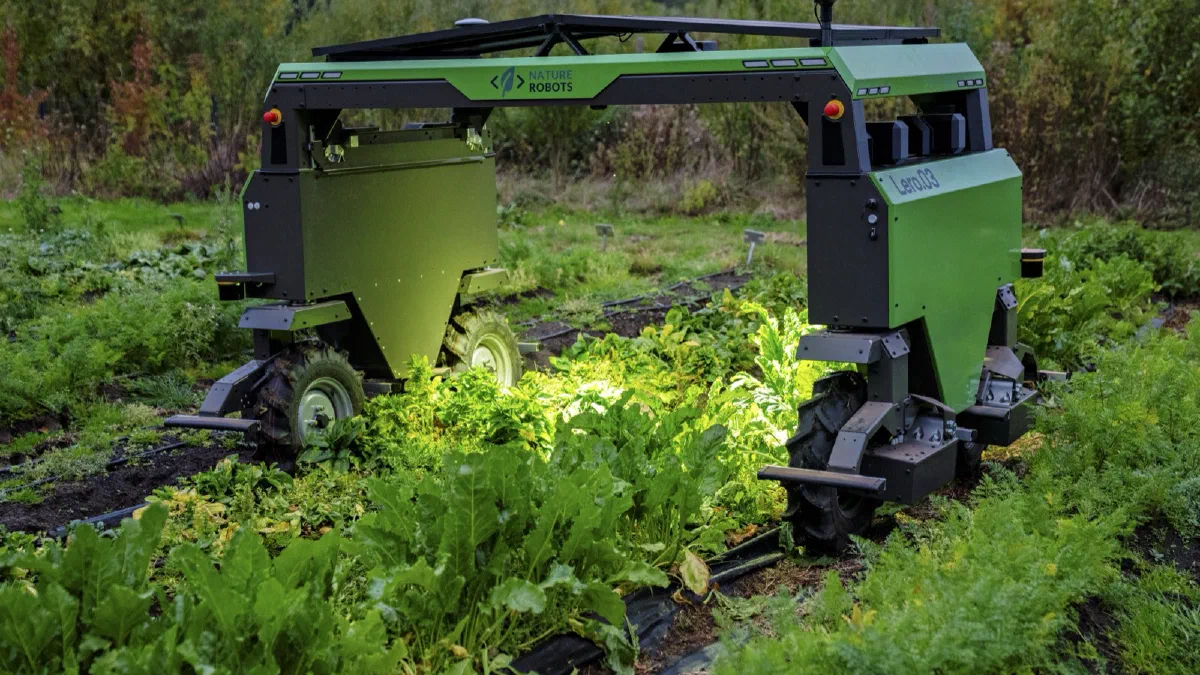
Where the FAOS comes from
The research behind it: 3D mapping, mesh and waypoint navigation, navigation control and plant perception.
-
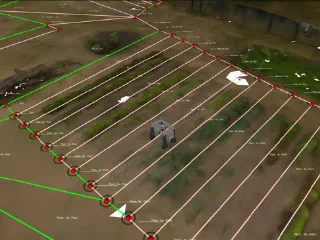
Waypoint Navigation
Plans and drives a robot's tasks on a waypoint graph that covers the field, garden or plantation.
-
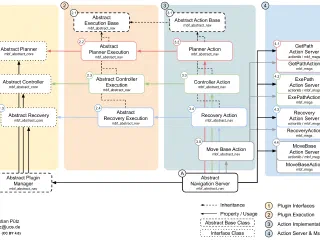
Flexible Navigation Control
Navigation control that ties a robot's driving to its higher-level tasks and to the world around it.
-
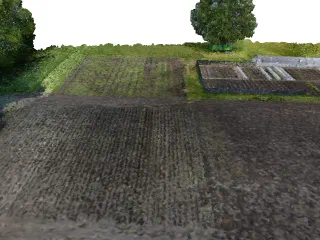
3D Environment Mapping
High-resolution 3D maps and surface models, the basis for mesh navigation and surveying.
-
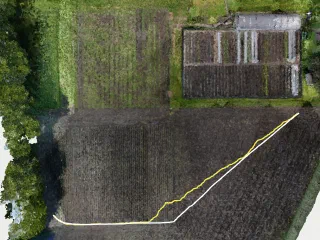
3D Mesh Navigation
Navigation on surface meshes through rough, steep and multi-layered terrain, such as forests and tunnels.
-
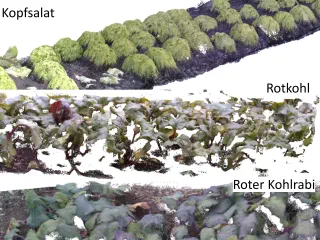
3D Plant Mapping
High-resolution 3D maps of plants, built on the fly from several calibrated sensors.
-
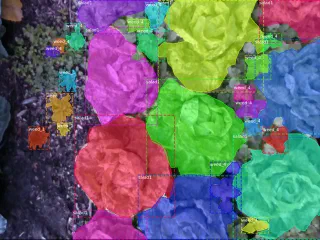
Plant Instance Segmentation
Finds each plant in images and point clouds, so a robot can treat it on its own.